Content
The repetitive cycle of wanting to change habits but continually falling short gradually weakens a person’s resolve to the point where many stop trying and fall back into their old self-destructive behaviors. Rehab can help teach you how to set short and long-term goals in relation to your recovery and how to accomplish those goals. The goals that treatment facilities focus on include objectives for your physical and emotional health, relationships, and spiritual aspirations. https://ecosoberhouse.com/ You will learn the tools needed to manage stress, avoid triggering environments, managing triggers when unavoidable, prevent relapse, cope in healthy ways, and create new thought patterns to enable your success upon departure. The new habits that you learn in rehab will help you cope with the day-to-day struggles of recovering from addiction post-treatment and how to address the situations that may have contributed to your substance abuse problem in a healthy way.
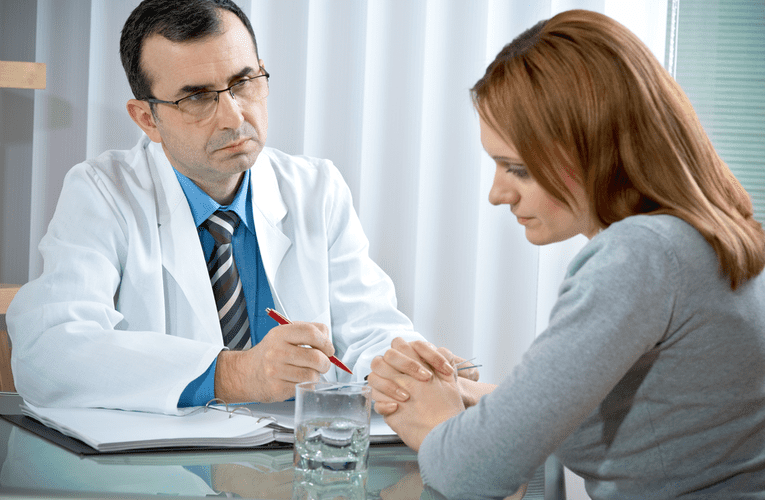
Addiction is a mental, physical, and psychological disease, and therapy is crucial in helping those in recovery understand the emotional triggers of his or her substance use and how to develop new, healthy coping mechanisms. It can also help individuals see flaws in thinking and behaviors that may lead to negative decisions related to drugs and alcohol, and how to positively alter those thoughts and behaviors so that they become more productive and healthier. No single treatment approach is effective for all persons with alcohol problems, and there is no overall advantage for residential or inpatient treatment over outpatient care. Our rehabilitation services include daytime and evening outpatient programs as well as comprehensive inpatient programs.
Opioid Treatment: Considering the Patient’s Environment
Our compassionate, professional staff will provide treatment and care tailored to your needs. Medications for addiction treatment use evidence-based medications to manage cravings and reduce the risk of overdose. DBT is a skill-based approach to learning effective coping strategies that can be used to address and change unhealthy behaviors. Reach out to a treatment provider and learn how you can create the life you want.
Our inmate addiction treatment program provides quality education, assessments, and counseling to those who are incarcerated with substance use disorder. Services are provided in both individual and group settings with a variety of clinically proven therapies. Located in Saranac Lake, NY our co-ed addiction treatment program offers varying lengths of stay based on medical necessity.
Professionals & Students
As with any cognitive-behavioral therapy, homework assignments and behavioral exercises serve to solidify what is learned and discussed during treatment. During family therapy sessions, many issues are uncovered and negative feelings are addressed in a safe setting, allowing everyone involved to become vulnerable in their feelings. Key to the long-term success of any substance abuse treatment program, family participation factors heavily in future support for the addicted person after they are discharged. Dr. Thomas received his medical degree from the University of California, San Diego School of Medicine.
What is meant by rehabilitation center?
(ˌriːhəˌbɪlɪˈteɪʃən ˈsɛntə ) a centre or clinic where people with an alcohol or drug addiction are treated.
These daily meetings, in the safety of a controlled therapeutic environment, will help you to recognize patterns of your behavior that can be changed, or how to recognize certain triggers that can cause relapse post-treatment. Have a confidential, addiction rehabilitation center completely free conversation with a treatment provider about your financial options. Jerry Lawson transformed his life from being mired in the pit of addiction to helping others make a difference as a treatment professional.
Defining the Drug Rehabilitation Meaning
NIDA funds a broad research portfolio aimed at increasing access to high quality, evidence-based treatment tailored for specific populations, including adolescents,peoplein justice settings, and people with othermental healthconcerns. Completing specialized treatment is only the beginning of the patient’s recovery process. Primary care clinicians should continue to ask their patients about the problem they were treated for at every office or clinic visit. During these visits, the clinician can monitor the potential for relapse and take any necessary steps to prevent slips from occurring .
There have also been several deaths related to ibogaine use, which causes tachycardia and long QT syndrome. The drug is an illegal Schedule I controlled substance in the United States, and the foreign facilities in which it is administered tend to have little oversight and range from motel rooms to one moderately-sized rehabilitation center. Drug rehabilitation is the process of medical or psychotherapeutic treatment for dependency on psychoactive substances such as alcohol, prescription drugs, and street drugs such as cannabis, cocaine, heroin or amphetamines. The general intent is to enable the patient to confront substance dependence, if present, and stop substance misuse to avoid the psychological, legal, financial, social, and physical consequences that can be caused. This leads to continuous healing and support when finding a group to belong to after treatment, often found in traditional 12-step communities like Alcoholics Anonymous or Narcotics Anonymous .